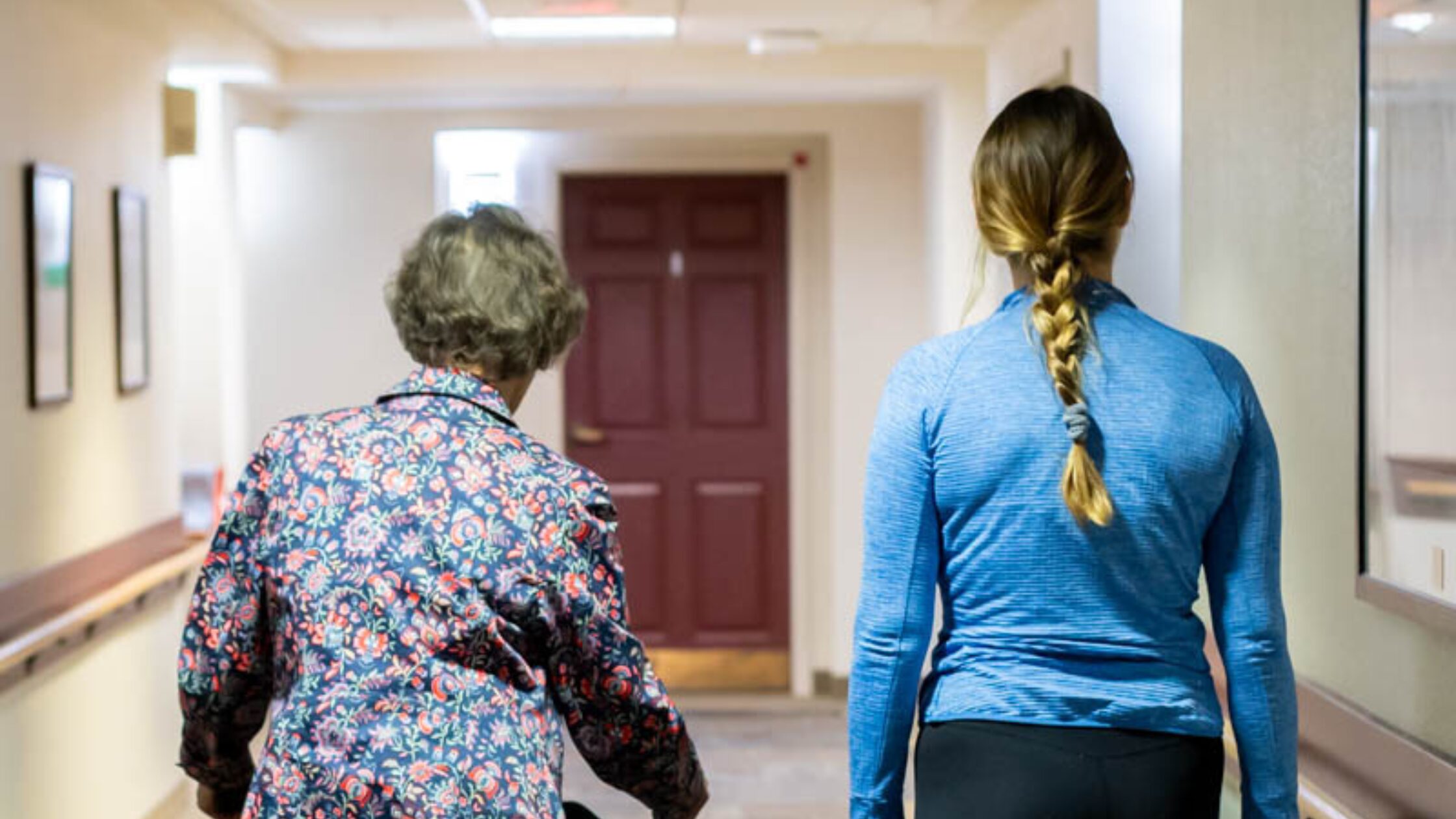
Aging in Place Does Not Mean Doing It Alone
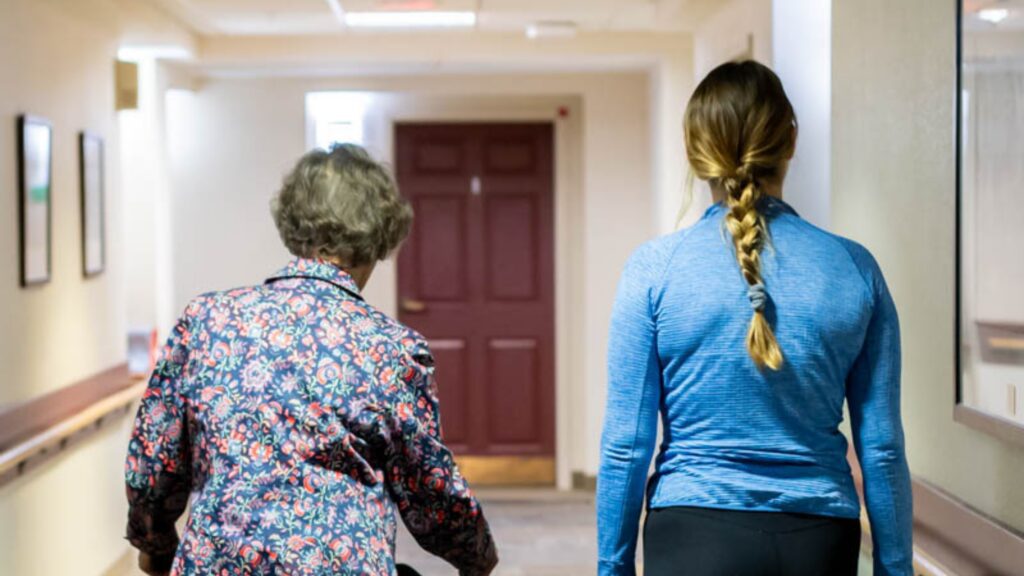
For many families, the goal is pretty simple:
help a loved one stay at home for as long as it’s safe and comfortable to do so.
And we understand why.
Home is familiar. It’s where the morning coffee tastes right, where family photos line the walls, and where everyday routines bring a sense of comfort. Leaving that behind can feel overwhelming, which is why so many people hope to remain in the place they know best.
That’s what aging in place is all about, continuing to live at home while receiving the support needed to do so safely.
The challenge is that, over time, staying at home often requires more help than one person or one family can realistically provide.
When Helping Becomes a Full-Time Responsibility
Many families don’t set out expecting to become caregivers. It usually starts with small things: picking up groceries, driving to appointments, or stopping by to make sure everything is ok.
Then the visits become more frequent.
You notice the laundry piling up. Meals are being skipped. The house isn’t quite as tidy as it used to be. Maybe you’re answering more phone calls throughout the day or rearranging your schedule to check in between work and family commitments.
It’s a gradual shift, and before long, you’re trying to balance someone else’s needs alongside your own.
Asking for support isn’t a sign you’ve reached your limit. It’s often what allows families to keep going while making sure their loved one receives the care they deserve.
Finding the Right Kind of Support
Every person has different needs.
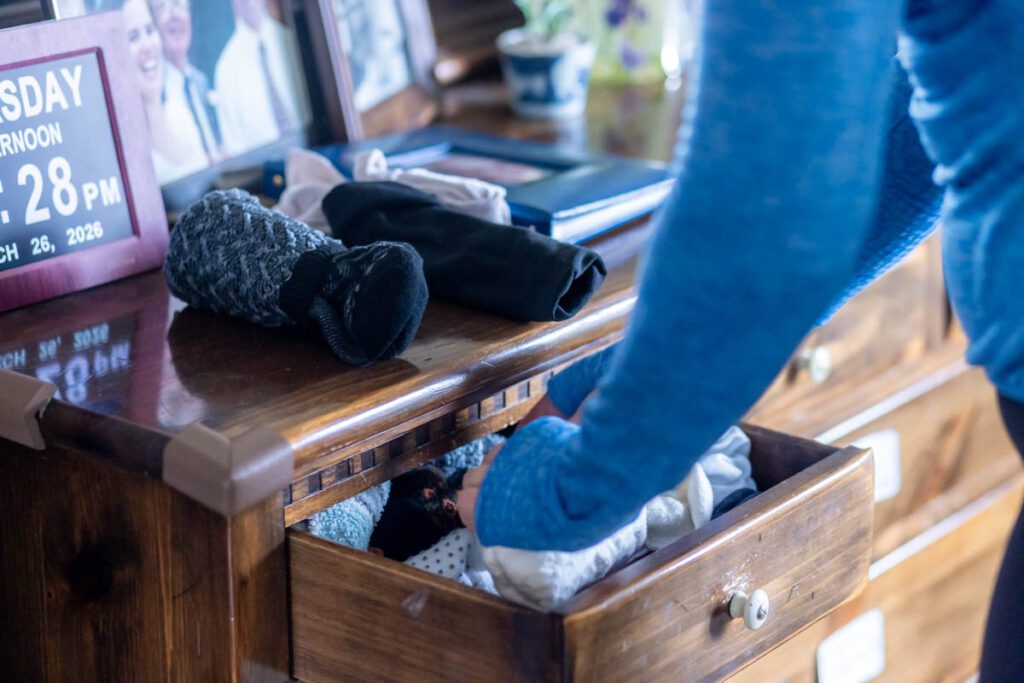
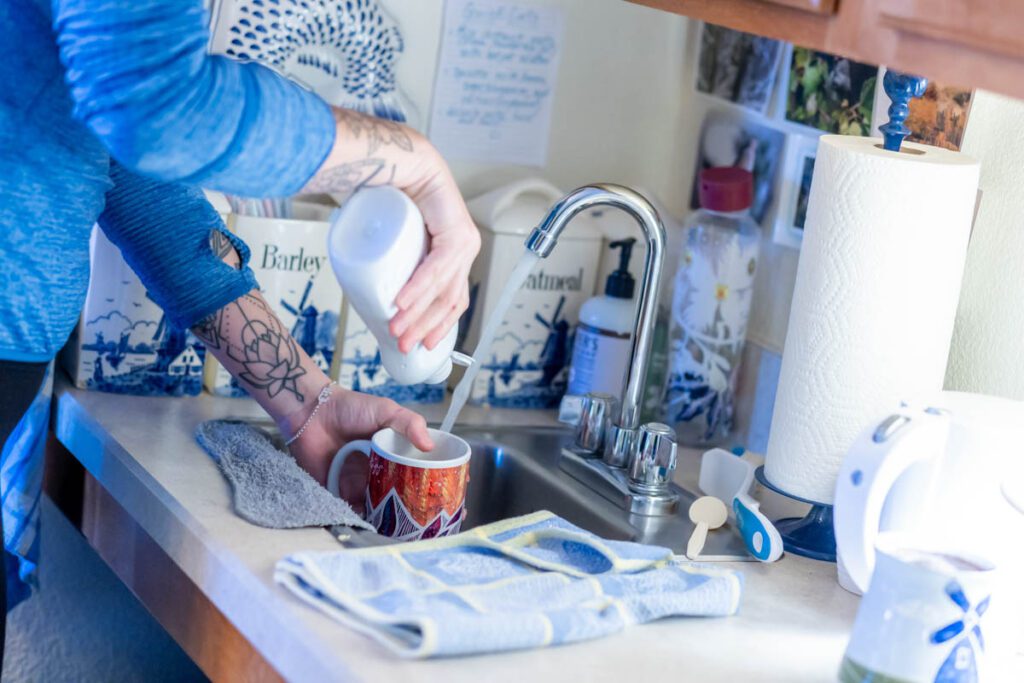
Some people benefit from a few hours of in-home care each week to help with personal care, meal preparation, or housekeeping. Others enjoy spending time at an adult day center where they can share meals, join activities, and connect with others before returning home at the end of the day. Or that a combination of both work best.
The right care isn’t about fitting into a standard schedule. It’s about finding support that works for your loved one, your family, and the rhythm of everyday life.
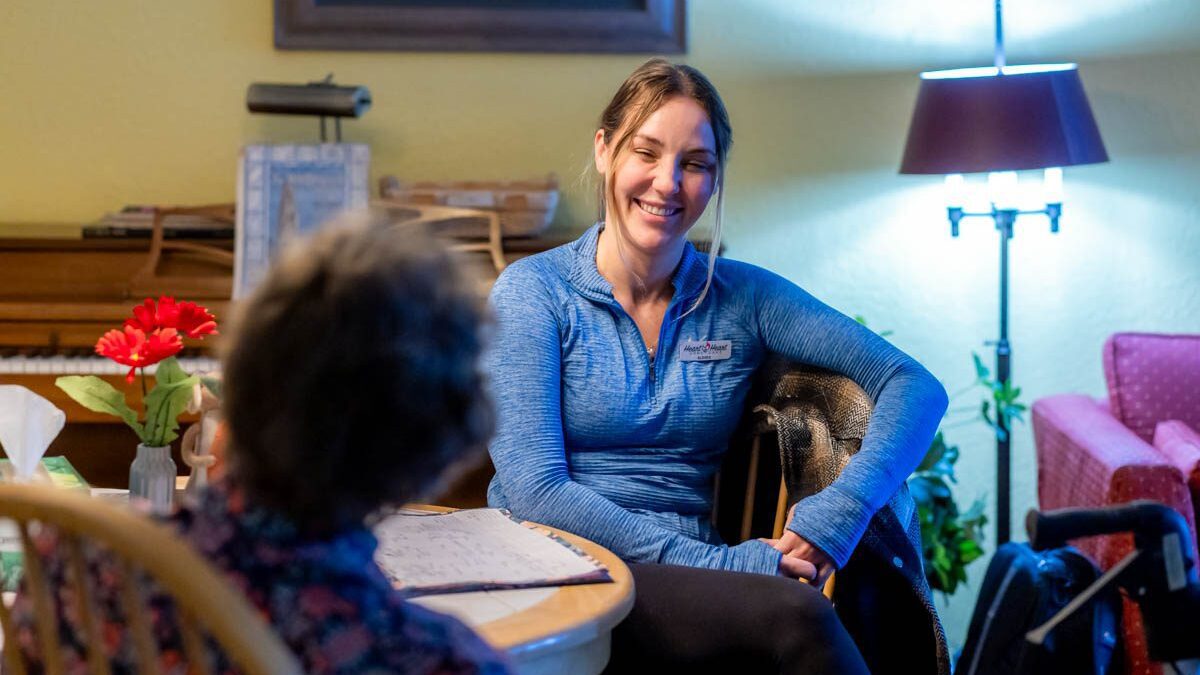
Sometimes that support looks like preparing lunch together. Other times it’s a walk around the neighbourhood, helping getting ready for the day, or simply having someone there to share a conversation over coffee.
These everyday moments may seem ordinary, but they’re often the ones that help people feel comfortable, connected, and cared for.

Support Helps the Whole Family
When one person needs care, the entire family adjusts.
Spouses, children, and caregivers often take on additional responsibilities because they want the best for their loved one. But even the most devoted caregivers need support too.
Having trusted support doesn’t replace the care families provide, it strengthens it.
Knowing someone is there to help can ease the pressure, create breathing room, and give everyone a little more confidence that their loved one is safe and well cared for.
You do not have to wait until there is a crisis to ask for help. Starting a conversation early allows families to explore options, build trust, and find what works best for their situation.
Home is Still Home
Aging in place is about more than staying in a house.
It’s about continuing to enjoy routines, relationships, and a sense of familiarity that make a place feel like home.
With thoughtful support, many people can continue living where they feel most comfortable while receiving the help they need along the way.
At Heart to Heart, we believe every care journey is unique. Whether someone needs occasional support at home, meaningful connection during the day, or a little extra help to make life easier, our goal is always the same: to provide compassionate care that helps people continue living with dignity, comfort, and confidence in the place they love most.
Because aging in place does not mean doing it alone.
close X

